Levi’s and Gillette both responded to FIFA’s 2026 World Cup branding restrictions by covering their names. One showed what happens when a business owns a genuinely distinctive brand asset. The other showed the value, and the limit, of reactive marketing.
At Levi’s Stadium, the company’s name had to be obscured to meet FIFA’s clean-stadium requirements. Levi’s embraced the restriction, allowing the familiar batwing shape to remain visible beneath the covering. It then carried the idea into its social identity and selected stores.
Gillette joined the conversation with a computer-generated image showing its stadium name covered by shaving foam. It was quick, relevant and well matched to the product category.
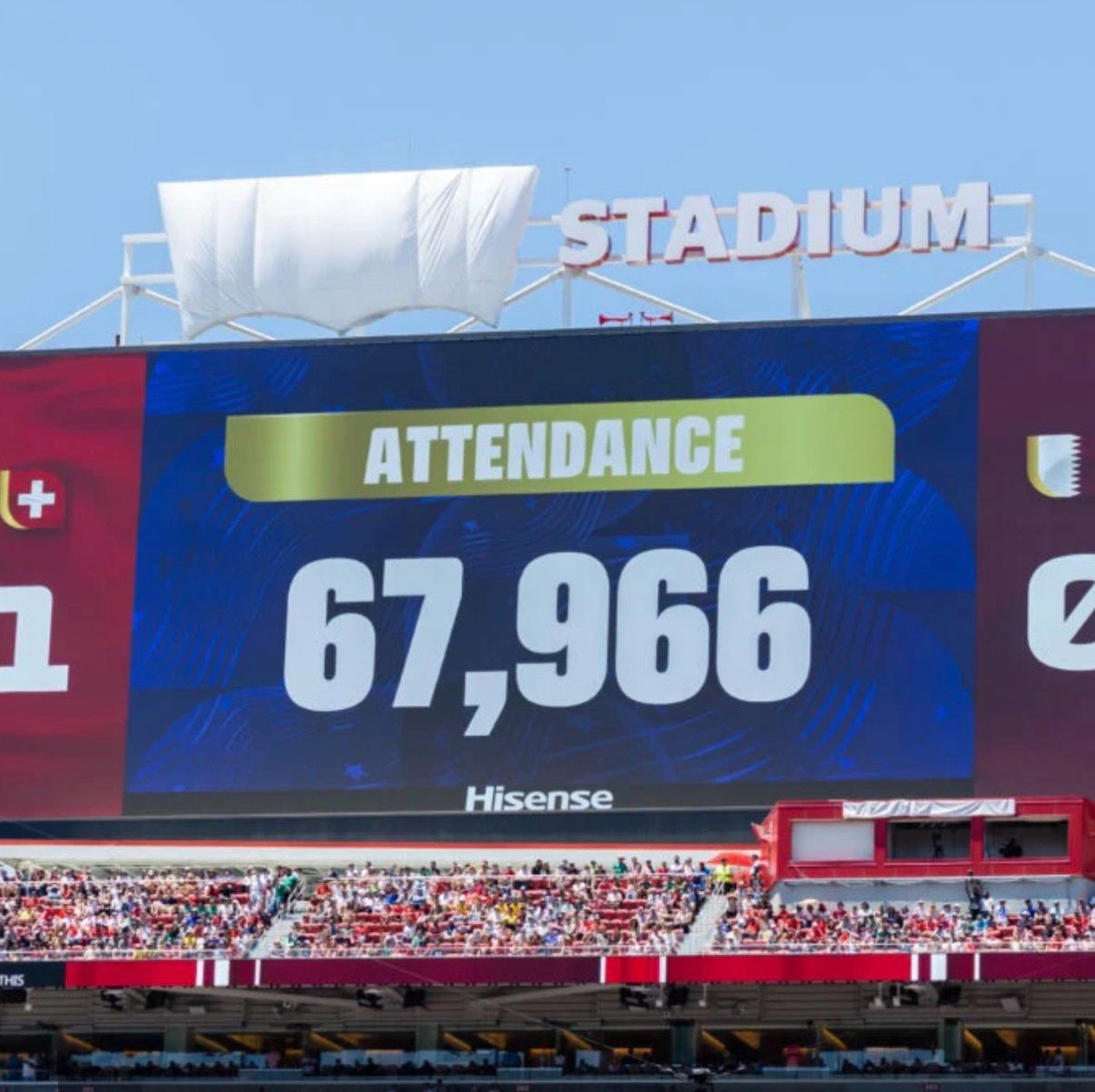
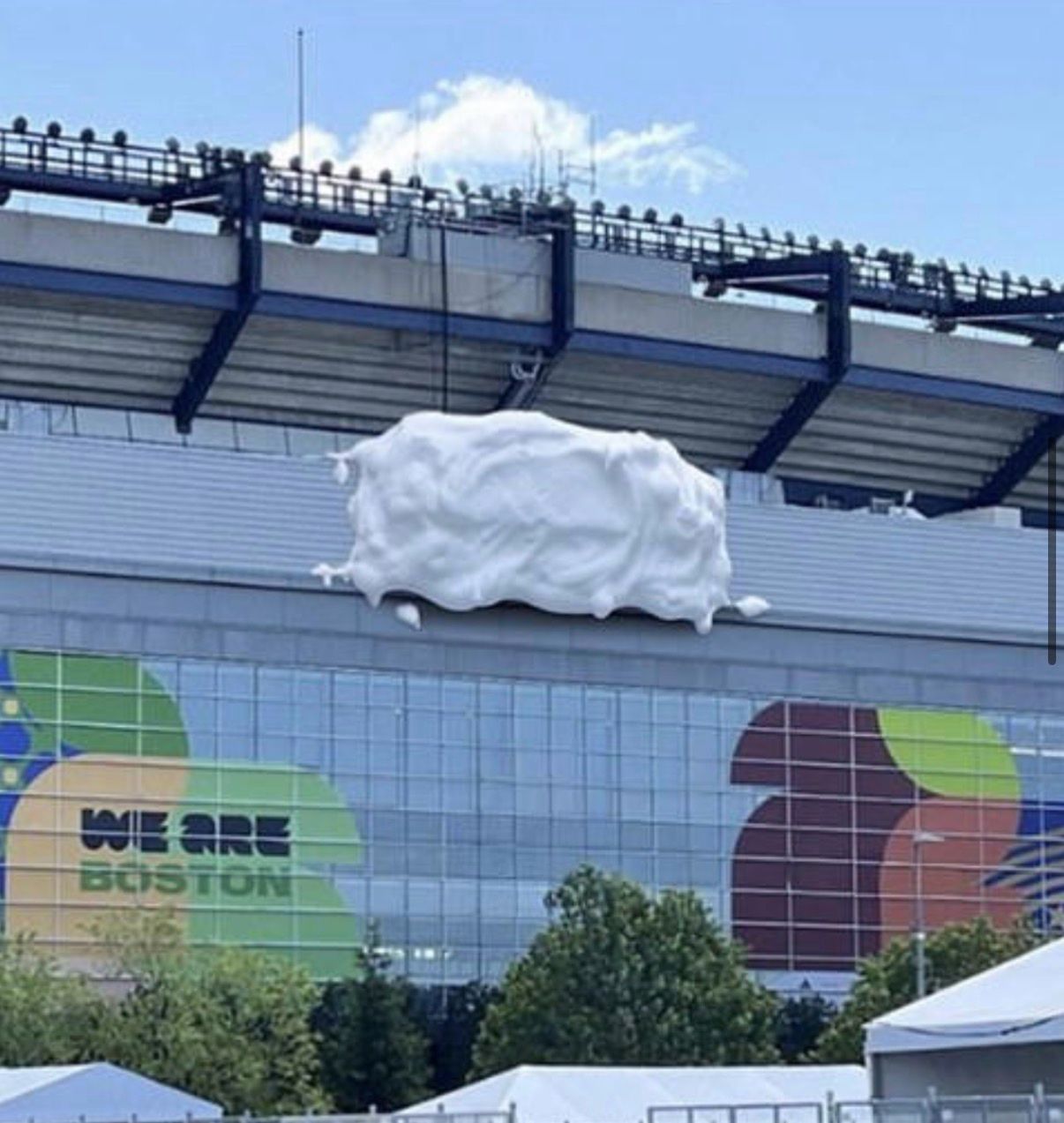
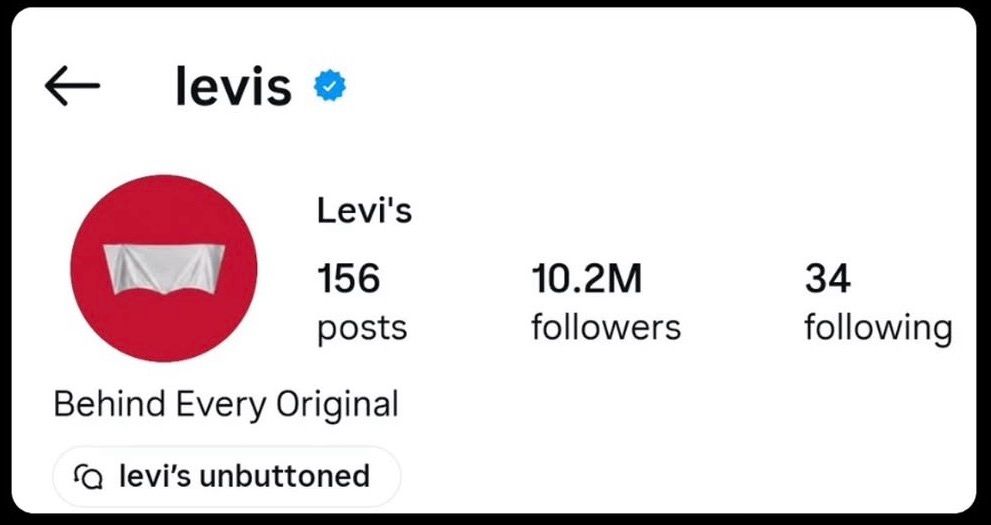
On the face of it, both brands had made the same move: cover the name, create some intrigue and let social media spread the idea.
But the results weren’t the same.
Without surrounding context, Gillette’s shaving foam is a category cue. It points towards shaving, but it doesn’t belong uniquely to Gillette. Someone needs to see the image on Gillette’s account, know who sponsors the stadium or read the accompanying conversation to understand the joke.
Take that context away and it’s foam on a stadium.
Levi’s needed less explanation. The shape left beneath the covering had been used consistently for long enough that it could still bring the brand to mind without the name being fully visible.
That’s the difference between attention and recognition.
Gillette successfully joined a live cultural conversation and gained extra visibility from an idea Levi’s had already made interesting. That has value. Reactive marketing can be fast, funny and commercially useful.
But it isn’t the same as owning an asset people recognise independently.
Distinctive assets aren’t built during a campaign
Strong distinctive assets need two qualities: fame and uniqueness.
Fame means enough people connect the asset to the brand. Uniqueness means they connect it to that brand rather than several competitors.
There isn’t an honest formula that says an asset becomes distinctive after three years, five campaigns or a particular level of media spend. It depends on reach, consistency, competitive similarity and how reliably the asset is linked to the brand.
What’s clear is that it doesn’t happen overnight.
People learn brand assets through repeated exposure across advertising, products, packaging, places and experiences. Businesses have to keep using them consistently enough, and for long enough, to give the public a realistic chance to remember them.
Levi’s batwing was created in 1967. It had nearly six decades of exposure behind it by the time FIFA asked the company to cover its name.
This is the part many businesses underestimate. They invest in a new identity, use it inconsistently for a few years and replace it before the market has had enough time to learn it.
Young brands should be particularly careful. A newly launched symbol might feel familiar inside the business because the team has spent months discussing it. The wider public may have seen it only once, if at all.
Distinctive assets aren’t campaign decoration. They become mental shortcuts through repeated public exposure.
Gillette entered the conversation quickly. Levi’s demonstrated the accumulated commercial value of being recognised without needing to introduce itself.