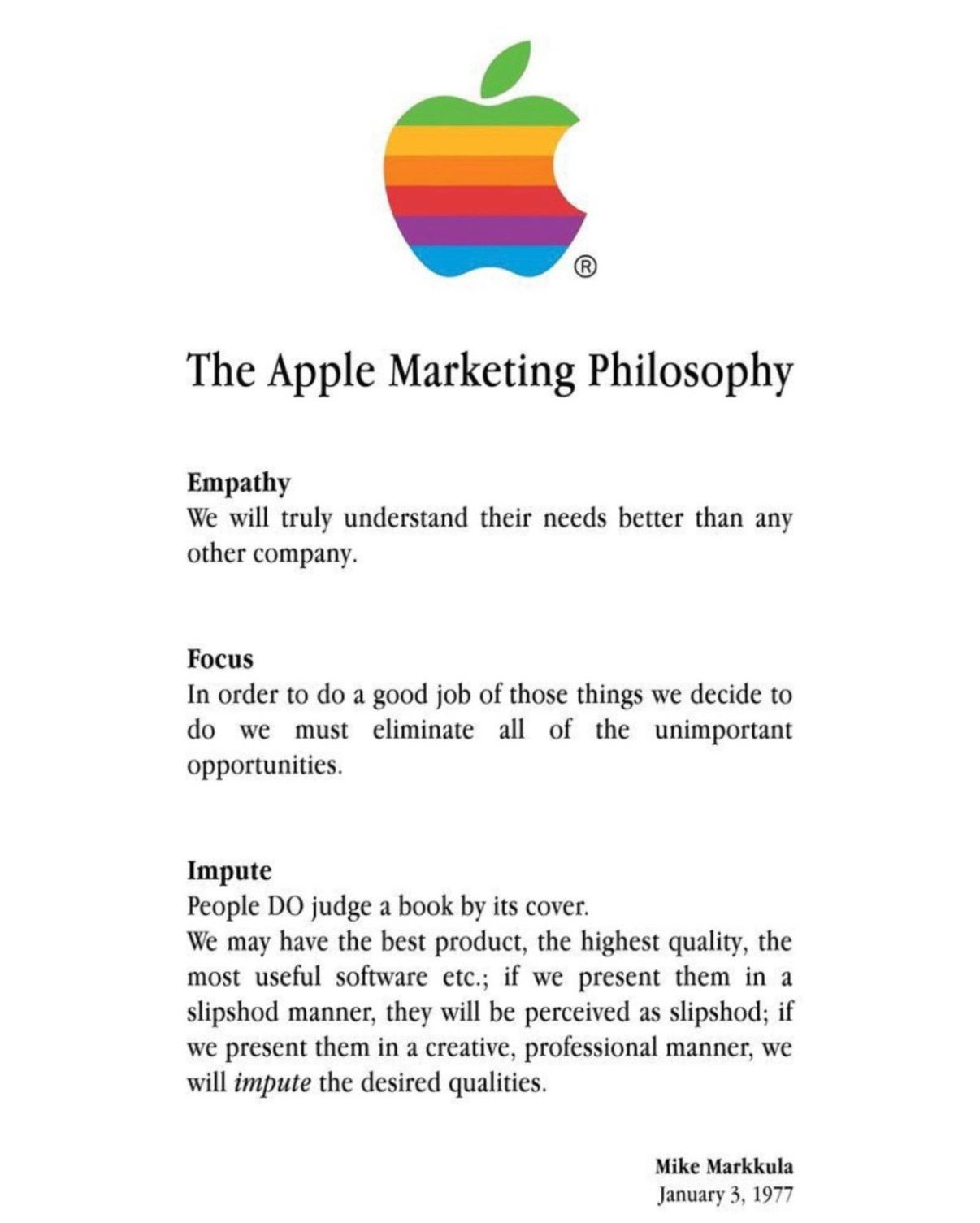
Products can be copied. Services can be matched. Competitors can recruit similar people, use similar language and make many of the same promises.
They can’t own your history.
A strong origin story gives a business something genuinely distinctive. It explains where the organisation came from, what shaped it and why it behaves as it does today.
The best examples don’t feel like polished corporate mythology. They contain people, experiments, risks, setbacks and decisions that could only belong to that business.
Nike, Apple and Virgin all became global brands. Their beginnings were considerably smaller and more human.
Nike: a coach, a runner and a better shoe
Nike’s story began before the Nike name existed.
Bill Bowerman was a track coach with an obsession for helping athletes perform better. Phil Knight was one of his runners. In 1964, they formed Blue Ribbon Sports, initially importing and selling Japanese running shoes.
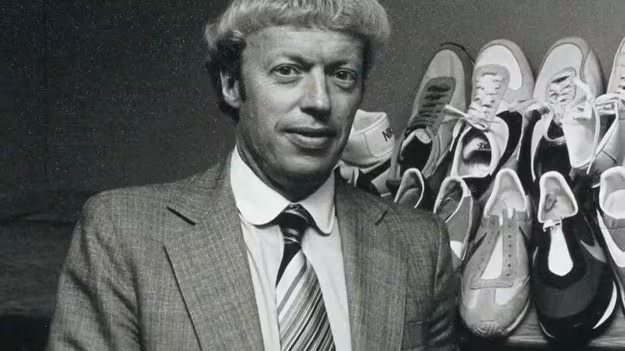
Bowerman kept experimenting with footwear because he wanted to help athletes run faster. Knight saw an opportunity to build a business around better products for runners.
That story still supports Nike because the company’s origins connect directly to performance, athlete insight and experimentation.
The innovation existed long before Nike had global advertising budgets and famous sponsorship deals.
Apple: making technology feel human
Apple’s story is often told through Steve Jobs, but it was never the work of one person.
Jobs brought ambition, judgement and an unusual ability to connect technology with culture. Steve Wozniak brought the engineering expertise behind Apple’s earliest computers. Later, the Macintosh brought together engineers, designers, writers and programmers around a larger idea.
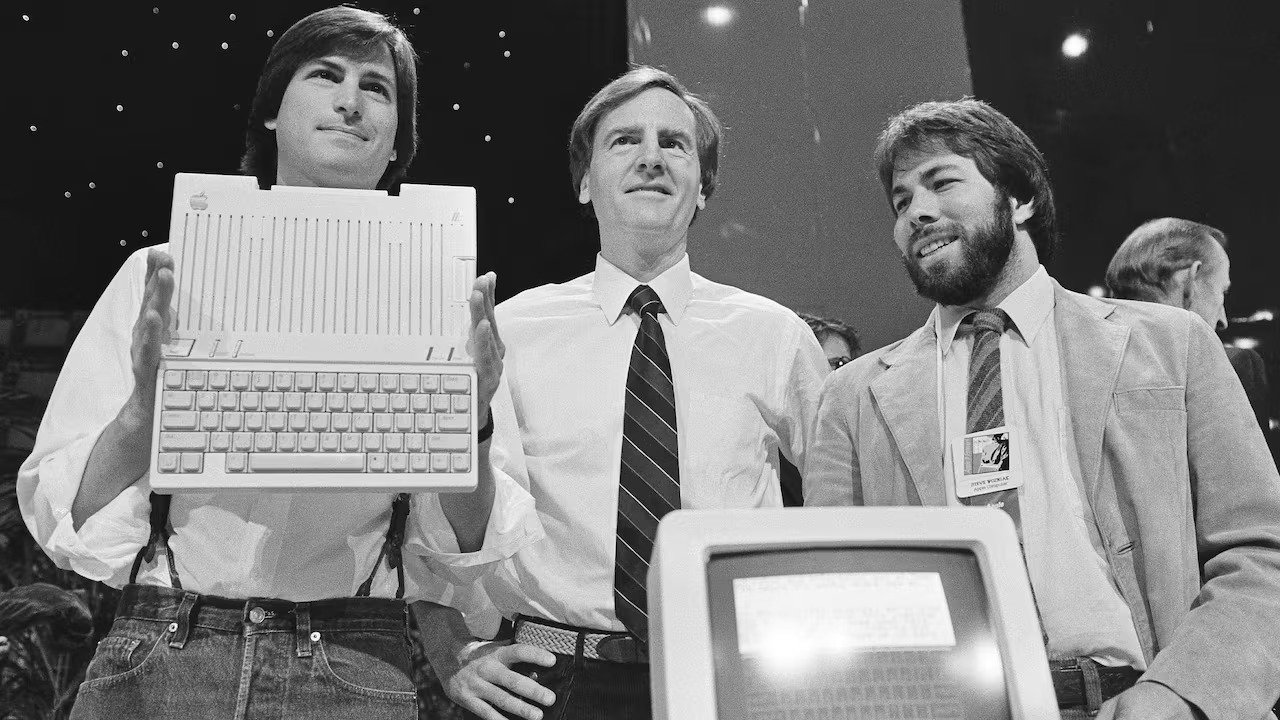
Computers didn’t need to remain specialist machines understood only by technical experts. They could become personal.
The Macintosh was introduced in 1984 as a simpler, more approachable tool, using familiar visual elements including desktop icons and a mouse rather than expecting people to work through programming commands.
Apple didn’t simply produce increasingly powerful technology. It helped redefine people’s relationship with it.
Virgin: the outsider prepared to have a go
Virgin began in music before moving into an industry where it had no conventional right to compete.
Virgin Atlantic launched in 1984 with one leased Boeing 747 and an ambition to make air travel more enjoyable, energetic and customer-focused.
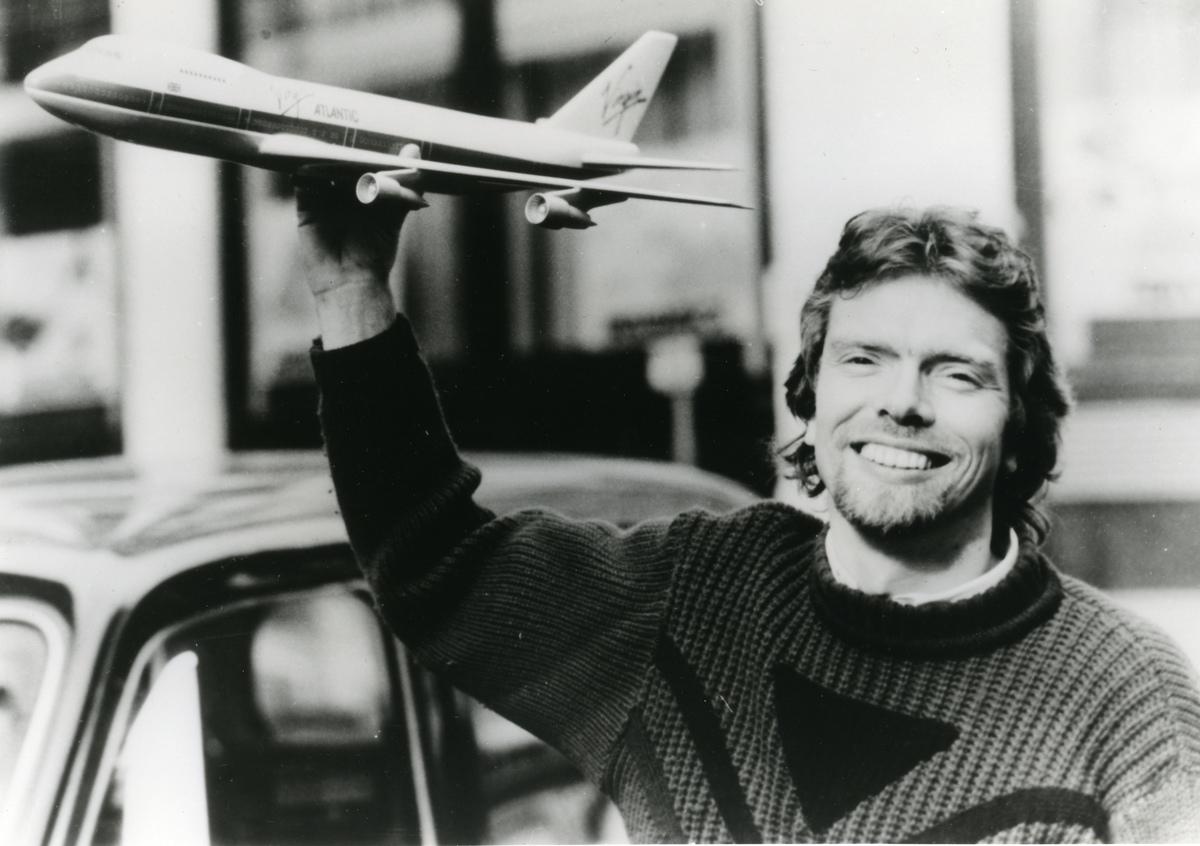
The image of Richard Branson holding a model aircraft captures something central to the story. It shows an outsider entering a large, established industry with personality, confidence and a willingness to challenge how things were normally done.
That challenger mentality became part of the wider Virgin brand.
A story should explain the business, not decorate it
Nike, Apple and Virgin have very different beginnings, but each origin helps explain something still visible in the brand:
- Nike connects its history to athletes, performance and experimentation.
- Apple connects its history to collaboration, simplicity and humanising technology.
- Virgin connects its history to challenging established categories with energy and personality.
That’s what makes an origin story commercially useful.
It provides context for the proposition, culture and ambition. It can help customers understand why the business is credible, help employees recognise what they’re joining and help leaders make future decisions without losing sight of what made the organisation valuable in the first place.
Not every early anecdote deserves to become part of the brand. The useful story is the one that still explains something true.
It might involve a founder, a customer problem, an unusual partnership, a particular place, a failed idea or years of determined craft.
Your story isn’t valuable simply because it happened. It becomes valuable when it helps people understand why your business is different and where it intends to go next.